

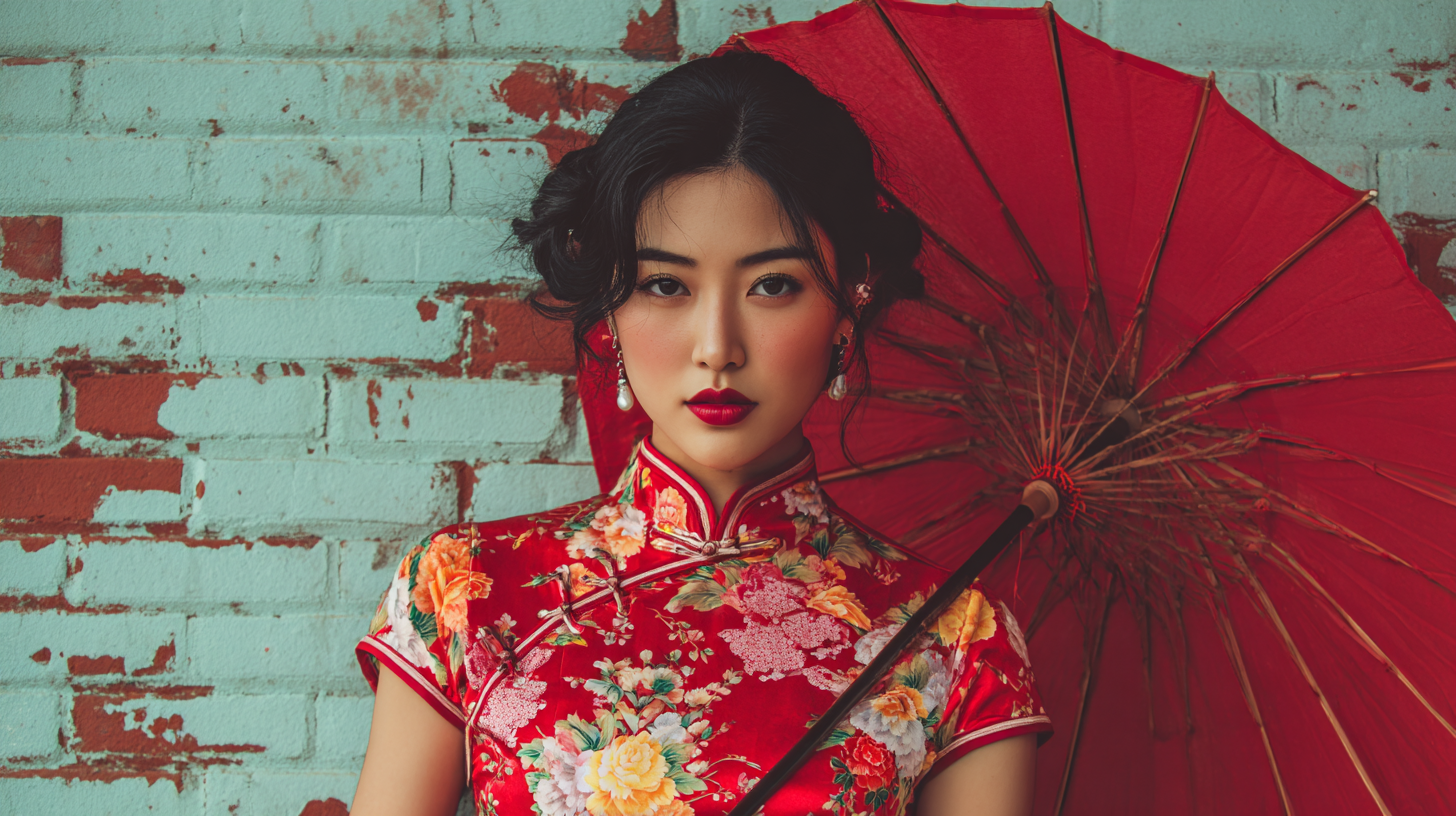
Introduction
When I first moved to China, I carried the same vague ideas about Chinese beauty that most Americans do. Smooth skin. Petite frames. A “look” that felt easy to label. That image didn’t survive long. Living in China, dating Chinese women, and spending time with families across different regions rewired how I see beauty here.
Chinese beauty isn’t one thing. It’s shaped by geography, culture, history, and personal taste. What people find attractive in Shanghai doesn’t always match what’s admired in Chengdu or Guangzhou. Even within the same city, standards shift depending on age, lifestyle, and social circles.
What surprised me most was how much attention people pay to detail. Facial structure. Skin tone. Hair texture. The way someone carries herself. Beauty is seen as something that reflects discipline, care, and self-respect, not just genetics. That mindset affects dating more than most foreigners realize.
This part of the article breaks down physical features in a grounded way. Not stereotypes. Not fantasy. Just what I’ve observed through real relationships and everyday life.
Facial Features of Chinese Women
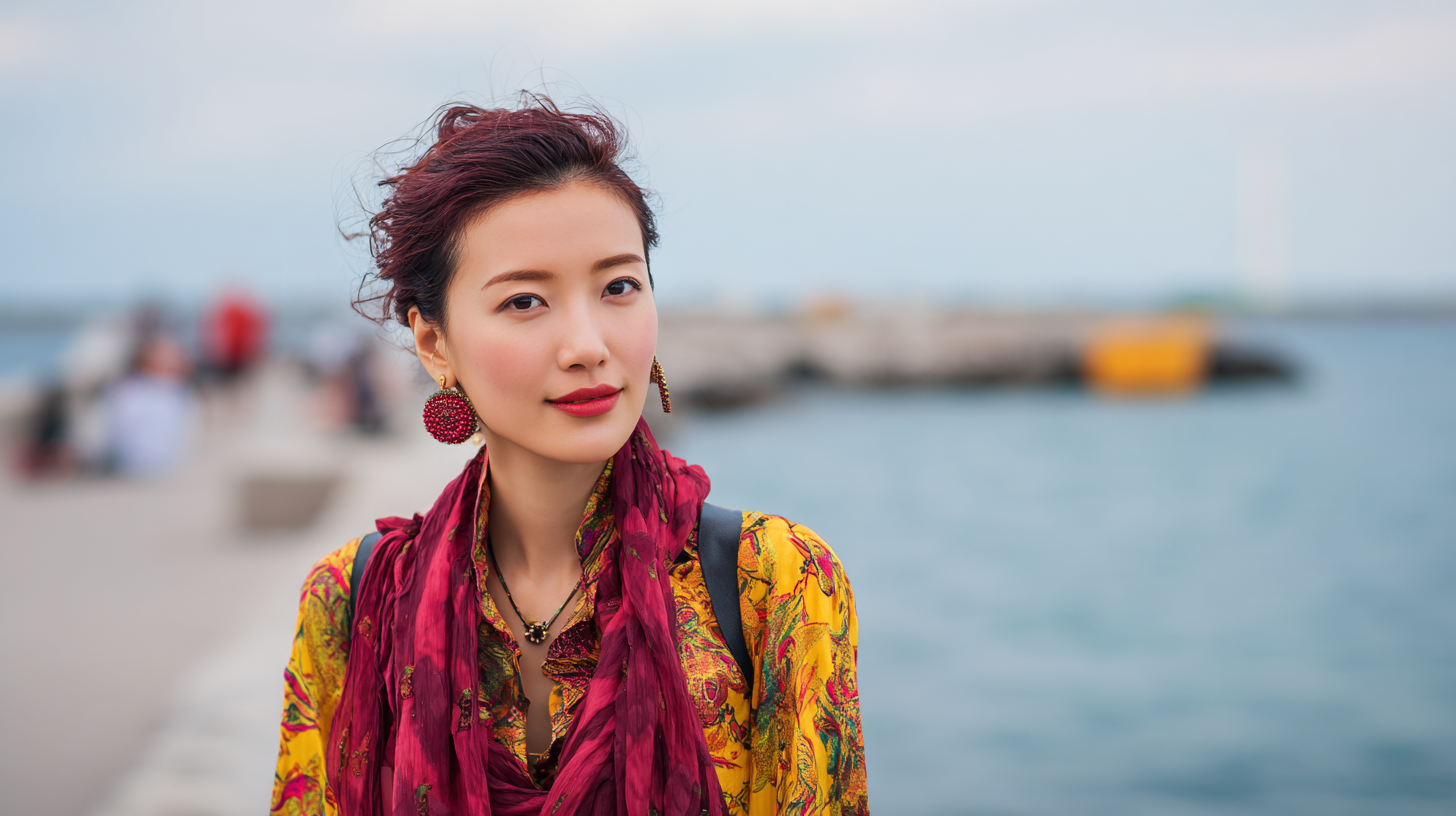
There’s no single set of facial features that defines Chinese women, and anyone who tells you otherwise hasn’t spent much time there. The range is wide, and regional differences show up fast once you start paying attention.
Face shape varies a lot. Some women have softer, rounder faces with gentle lines. Others have sharper jawlines and more angular features. Northern regions tend to show stronger bone structure, while southern areas often have softer contours. Even that rule breaks often.
Eye shapes are one of the most misunderstood features. Not all Chinese women have monolids. Double eyelids, almond shapes, wider-set eyes—every variation exists. What many women focus on isn’t size, but clarity and balance. Bright eyes are valued more than dramatic ones.
Skin tone ranges more than most Americans expect. From very fair to warm tan, especially in southern cities. Despite that range, lighter skin is still widely preferred in beauty standards. That doesn’t come from Western influence. It’s rooted in history, where lighter skin signaled an indoor lifestyle and higher social status. You’ll notice umbrellas on sunny days and skincare focused on protection rather than tanning.
Facial symmetry matters, but not perfection. A distinctive face often stands out more than a flawless one. I dated a woman in Hangzhou whose slightly asymmetrical smile made her unforgettable. People noticed it. She owned it.
Mixed heritage is becoming more visible, especially in large cities. Children of mixed backgrounds often carry features that stand out, but they’re not treated as a separate category. Beauty here still ties back to balance and harmony rather than novelty alone.
What matters most is expression. Calm confidence. Soft eye contact. A relaxed smile. Those things outweigh any checklist of features. I’ve seen women who didn’t fit common beauty ideals draw constant attention because of how they carried themselves.
Body Types of Chinese Women
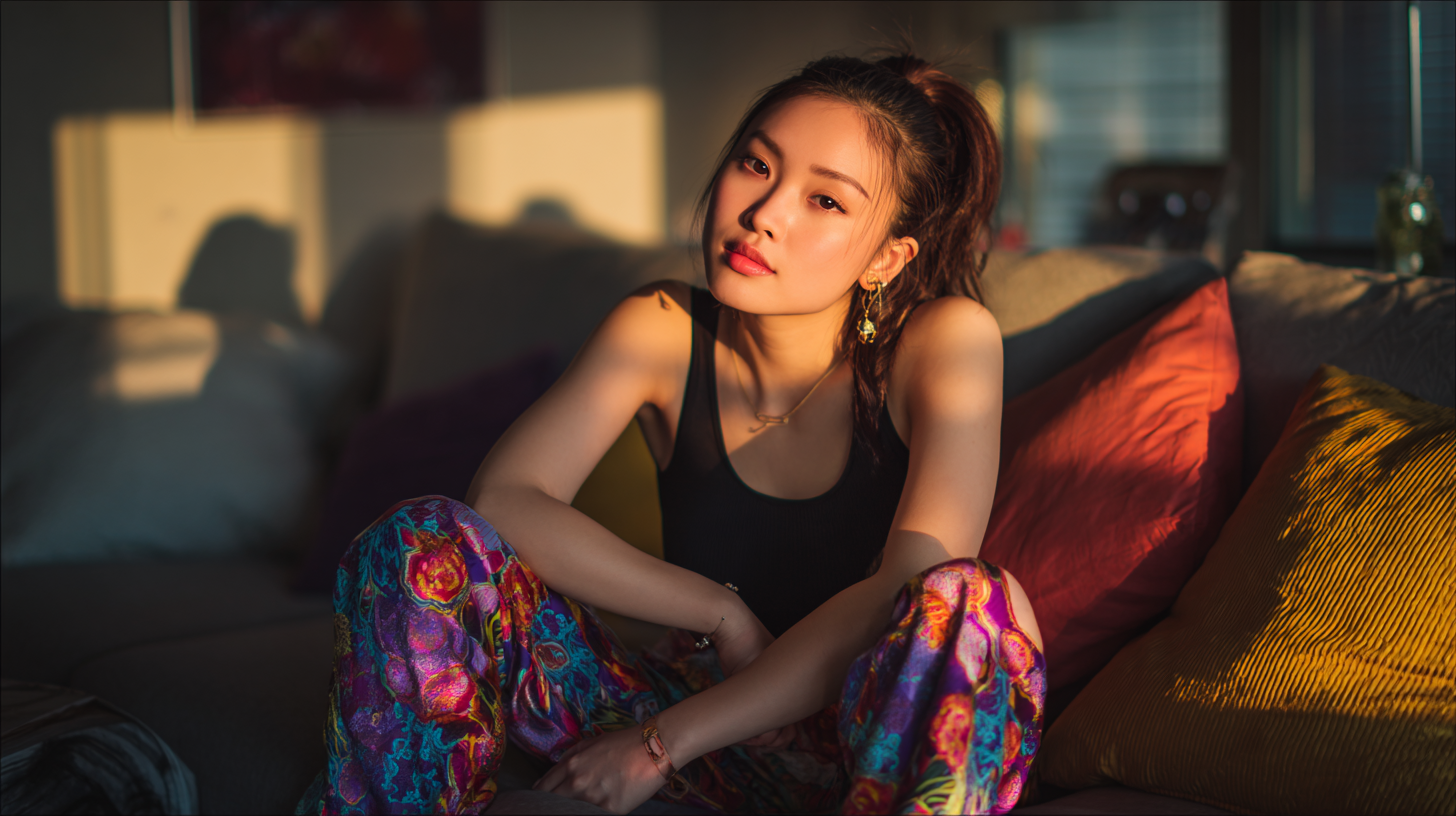
Body types in China follow different expectations than in the U.S., and that gap causes confusion for foreign men early on.
Slimness is still strongly valued. Not extreme thinness, but a light, balanced frame. This preference comes from culture, media, and social pressure. You’ll hear women talk openly about weight in ways that would feel blunt in America. It’s not meant to insult. It’s normal conversation here.
That said, body diversity exists. Taller women are more common in northern regions. Shorter frames appear more in the south. Athletic builds are gaining popularity, especially among younger women who work out or follow fitness trends. Still, muscle definition tends to stay subtle.
Curves are present, but they’re not emphasized the same way as in Western beauty culture. Clothing often highlights shape quietly rather than dramatically. Oversized styles are common, especially in everyday wear, and that influences how bodies are perceived.
One thing I noticed quickly is posture. How someone stands and walks matters a lot. Straight posture signals confidence and care. Slouching draws attention in a negative way. This focus on posture starts young, through school and family habits.
Body standards affect dating behavior. Many women feel pressure to maintain a certain appearance, even in long-term relationships. Compliments often focus on effort rather than shape. Saying someone looks “healthy” or “well-kept” lands better than commenting on curves.
From a foreign perspective, it’s easy to misread these standards as rigid. In reality, they’re social expectations people learn to navigate. Some follow them closely. Others quietly push back.
The biggest takeaway for me was this: physical appearance matters, but it’s not isolated. It’s part of a larger picture that includes behavior, style, and attitude. Once you see that, attraction in China starts to make more sense.
Fashion and What Chinese Women Wear
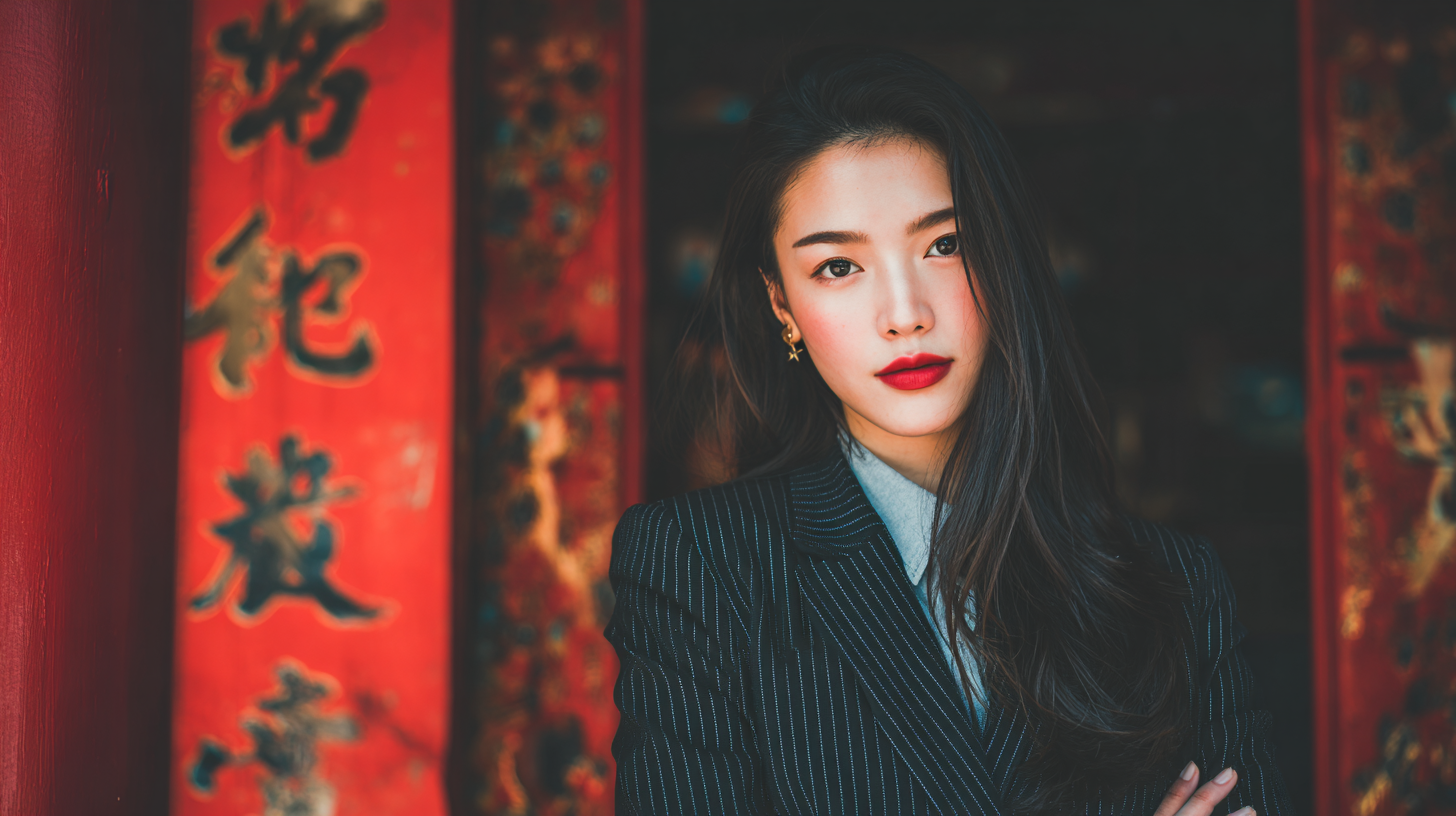
Fashion in China plays a bigger role in daily life than most Americans expect. Clothes aren’t just about comfort or trends. They signal awareness, effort, and social awareness. I noticed early on that people pay attention to how you present yourself, even on casual days.
Chinese women tend to dress with intention. That doesn’t always mean dressing up. It means choosing outfits that look thought-through. Clean lines. Balanced colors. Nothing random. Even relaxed outfits feel planned.
Dating made this even more obvious. What someone wears on a first meeting often tells you how seriously she takes the interaction. It’s not about money or brands. It’s about care.
Everyday Clothing Styles
Everyday fashion among Chinese women is practical but polished. In big cities, you’ll see a mix of global trends and local preferences. Oversized sweaters. Straight-leg pants. Simple dresses paired with sneakers. Comfort matters, but looking put-together matters more.
Colors stay calm. Beige, white, black, soft gray, muted pastels. Loud prints appear less often in daily wear. When they do, they’re usually balanced by simple cuts. Logos aren’t a priority. Subtlety wins.
Seasonal dressing is taken seriously. Winter outfits look layered and structured. Summer clothing stays light but modest. Shorts and skirts are common, but extreme exposure isn’t the norm in most settings.
One thing that stood out to me was how coordinated outfits felt. Tops match shoes. Bags match jackets. Nothing clashes. That attention to balance shows discipline more than fashion obsession.
Street style shifts by city. Shanghai is modern and sleek. Chengdu feels relaxed and cozy. Guangzhou shows more color due to the climate. Still, the underlying idea stays the same. It looks clean. Look intentional.
Evening Wear and Special Occasions
Evening wear in China changes depending on the event. Dates, dinners, weddings, and work events all come with different expectations.
For dates, many women choose dresses that feel elegant rather than bold. Soft fabrics. Clean silhouettes. Nothing overly revealing. The goal is refinement, not shock value. I’ve been on dates where the outfit looked simple at first glance, then you noticed how well it fit and how carefully it was chosen.
Special occasions bring out more variety. Red dresses appear often for celebrations. Heels show up more. Jewelry becomes more visible. Still, balance remains important. Too much flash can feel uncomfortable in conservative settings.
Western-style evening wear has influence, especially among younger women. Still, it’s adapted to local taste. Necklines stay modest. Cuts stay controlled. The outfit complements the person instead of overpowering her.
Traditional elements appear during festivals or family events. Modern dresses may include subtle references to classic styles. These details often go unnoticed by foreigners, but locals catch them instantly.
Footwear Choices
Footwear says a lot in China. Practicality comes first, but style follows closely behind.
Flats and sneakers dominate daily life, especially in cities where walking is constant. Clean white sneakers are extremely popular. Comfortable shoes don’t signal laziness here. They signal realism.
Heels appear mostly for formal settings or special occasions. Many women carry spare shoes or switch after events. Long walks in heels aren’t romanticized. Comfort is respected.
Shoes are usually well-maintained. Scuffed or dirty footwear stands out fast. I learned this after showing up to a casual meeting with worn shoes and noticing the looks I got.
Overall, fashion in China reflects care and self-awareness. It’s less about standing out and more about fitting the moment. Once I understood that, dating interactions felt smoother. You stop trying to impress and start paying attention instead.
Beauty Standards in China
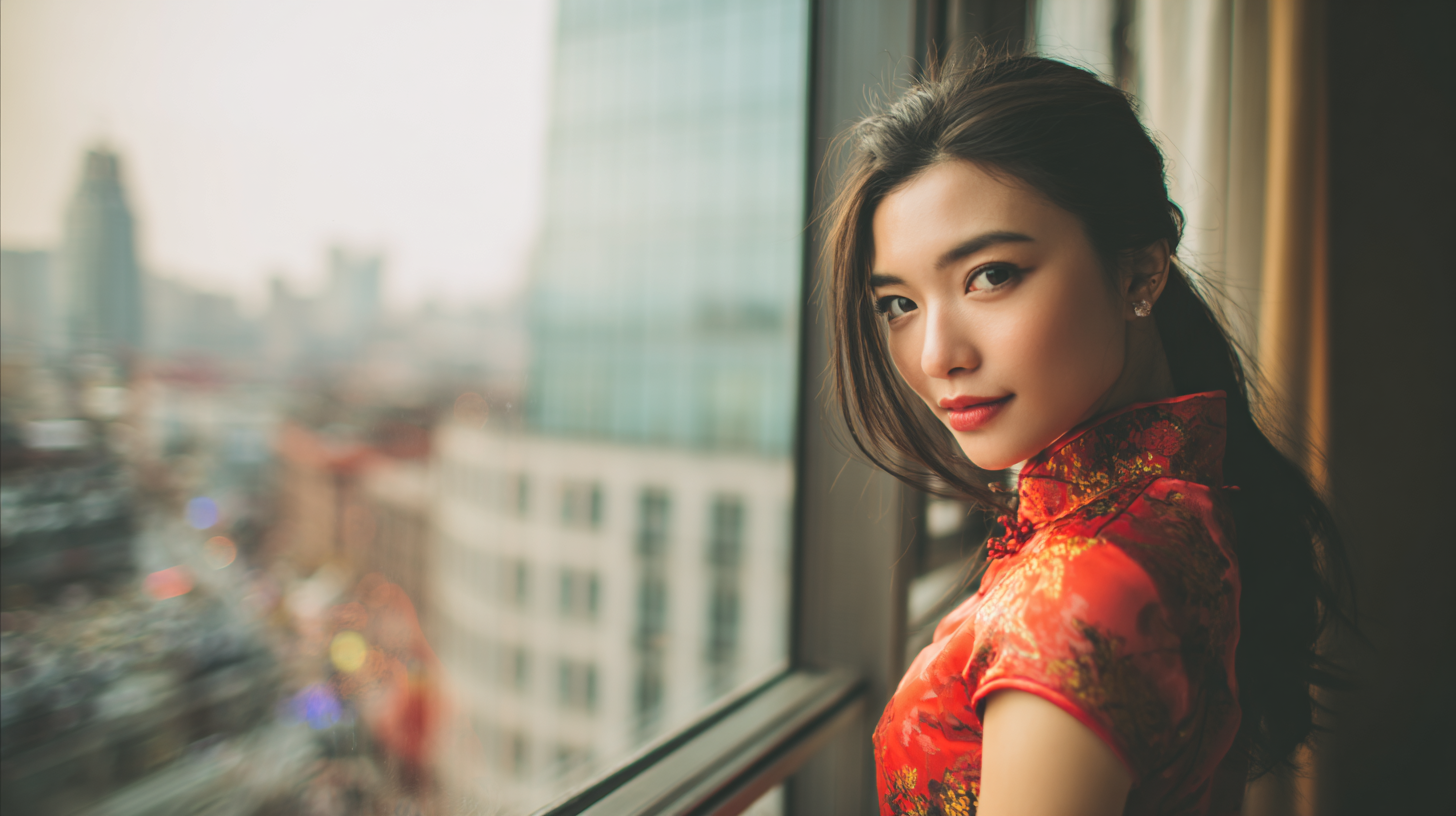
Beauty standards in China are real, and they’re talked about openly. That part surprises a lot of Americans. Friends will comment on skin tone, weight, or hairstyle in a matter-of-fact way, the same way you might comment on someone’s new shoes back home. It can feel blunt. It’s usually not meant to be cruel.
Still, the pressure exists. You see it in skincare ads, short-video trends, and the way people talk about “looking fresh” as if it’s part of basic hygiene. I’m going to describe what I’ve seen, city to city, date to date, without pretending there’s one correct look. There isn’t.
General Beauty Ideals
If you want the simplest summary of beauty standards in China, it’s this: a polished, youthful look is often valued more than dramatic features.
Skin clarity is a big deal. When people talk about Chinese beauty, they often mean clear skin first, then everything else. A lot of women prioritize skincare over makeup. I dated a woman in Shanghai who carried sunscreen like it was a phone charger. She didn’t do heavy makeup most days, but her skin routine was disciplined.
Lighter skin is commonly admired, and that’s part of older China beauty standards, not a new internet trend. You’ll see umbrellas in summer and long sleeves on bright days. At the same time, there’s a wide range of skin tones across the country, especially in the south. Plenty of women are naturally tan. They still look great. The “ideal” doesn’t erase reality, it just adds noise to it.
Facial balance matters. A lot of beauty perception here focuses on proportions and a “clean” facial structure. High contrast makeup is less common day-to-day. Soft features are often seen as approachable. Strong features can be admired too, especially in fashion circles, where a distinctive face stands out more.
Another point that gets missed in the U.S. is diversity. China has huge cultural diversity. Regions differ. Ethnic groups differ. Mixed heritage is more visible now, especially in major cities, and people notice unique looks quickly. The idea that there’s one set of Chinese facial features is a stereotype that falls apart the moment you spend time outside one neighborhood.
Cosmetic Procedures and Treatments
Cosmetic procedures exist in China the same way they exist in the U.S., and the topic is often less taboo. Some women are private about it. Others talk about treatments like they’re talking about a haircut.
Non-surgical treatments are common. Skincare clinics are everywhere in big cities. Treatments aimed at skin texture, hydration, and tone are popular because they fit the local preference for a natural beauty look that still appears “kept.”
Surgery happens too, though it varies by city and social group. Some women pursue changes around eyelids, nose shape, or facial contour. I’m not here to sell that as a “good idea.” I’ve met women who felt happier after a procedure, and I’ve met others who felt more anxious because it fed a loop of chasing perfection. Both stories are real.
What I’ll say, honestly, is this: natural vs enhanced beauty isn’t a clean divide in China. Many people mix a good skincare routine with light treatments and call it normal maintenance. The line is blurry. Social media makes it blurrier.
If you’re dating, don’t assume anything based on appearance. Also, don’t interrogate a woman about her choices. It’s personal. Compliment the parts that reflect her effort and style, not the parts that suggest you’re ranking her face like a product.
Haircare and Hairstyles
Hair is one of the strongest style signals in China. Hair types vary, but a lot of women have thick, dark hair that holds shape well. That affects what styles are popular.
Long hair is common, especially straight or softly waved. It fits the “clean” look that matches Chinese beauty standards for female conversations. Short hair is also popular in cities, often paired with sharper fashion. Bangs come and go in cycles, and they can be a big deal. Some women use bangs to change their whole vibe without changing anything else.
Color is interesting. Natural black or dark brown dominates, yet dyeing has become normal among younger women. The difference is that it’s often done in controlled shades. Dark brown, chestnut, subtle highlights. Loud color exists, but it’s more niche and tied to specific subcultures or creative circles.
Haircare routines can be serious. Heat tools are common. Salon visits are common. Many women treat hair as part of grooming, not a once-in-a-while thing. That effort shows up on dates more than you’d expect.
Makeup Trends
Makeup trends in China tend to start with skin. Foundation is often lighter. The goal is even tone, not heavy coverage that looks thick in daylight. A “no-makeup makeup” style is popular, especially for daytime.
Eye makeup is also shaped by local preferences and eye shapes and colors. Eyeliner is used, but it’s often softer. Lashes matter. Brows are usually clean and defined, not overly dramatic. Blush is used in a youthful way, sometimes higher on the cheeks to create a fresher look.
Lips shift by year. Some trends lean toward soft tints. Others go bold with reds for evening or special occasions. The big difference from the U.S. is that many women keep makeup coordinated with outfit tone. It’s part of the same polished presentation.
One thing I saw repeatedly is how trends change fast. What’s “in” on Chinese social media this month might look dated in six months. If you’re dating, it’s not your job to keep up. It’s your job to not be weird about it.
Conclusion
If you’re trying to understand Chinese beauty standards, I’d keep one thought in your head: standards exist, but people don’t fit neatly inside them. Real attraction in China still comes down to the same basics it does anywhere else. Confidence. Presence. How someone treats the people around her.
I’ve met women who matched every Chinese beauty standard you could list, and they were still insecure. I’ve met women who ignored half the “rules” and had a calm, magnetic energy that pulled everyone in. That’s the part most guys miss, because it isn’t easy to measure.
If you’re dating a Chinese woman, learn the cultural context, respect the effort, and don’t turn appearance into a scoreboard. That habit ruins good connections fast.
 Find the best bride now...