

Introduction
I’ve heard this question a hundred different ways. Why are Chinese women so beautiful? Are Chinese women beautiful in some special way, or is it just a stereotype that gets repeated online until it sounds like a fact?
If you’ve spent real time in China, the answer starts to feel simple. Beauty there is not only genetics. It’s also habits, grooming, and how women carry themselves in public. It’s a mix of features, style, skincare, and a kind of calm presentation that many American guys don’t see as often back home.
When I first arrived in China, I assumed I was going to see one narrow “type” of beauty. That idea got destroyed fast. China is massive. Women in Shanghai don’t always look like women in Chengdu. Northern features can look different from southern ones. Even within a single city, you’ll see a range of face shapes, skin tones, and personal styles. Add in diverse heritage across regions, and the variety gets even wider.
Still, certain patterns show up again and again. A lot of women put real effort into skincare and looking “clean” rather than flashy. They focus on small details, like hair maintenance, neat outfits, and posture. They take beauty routines seriously, not because they’re shallow, but because appearance is tied to social respect. That mindset can make a woman’s overall appeal feel higher, even if she’s not wearing anything dramatic.
So this article isn’t going to be a weird checklist of “perfect traits.” I’m going to break down what creates that “stunning appearance” effect so many foreigners notice. Some of it is physical. A lot of it is cultural. All of it becomes easier to understand once you’ve dated and lived there.
Graceful Features
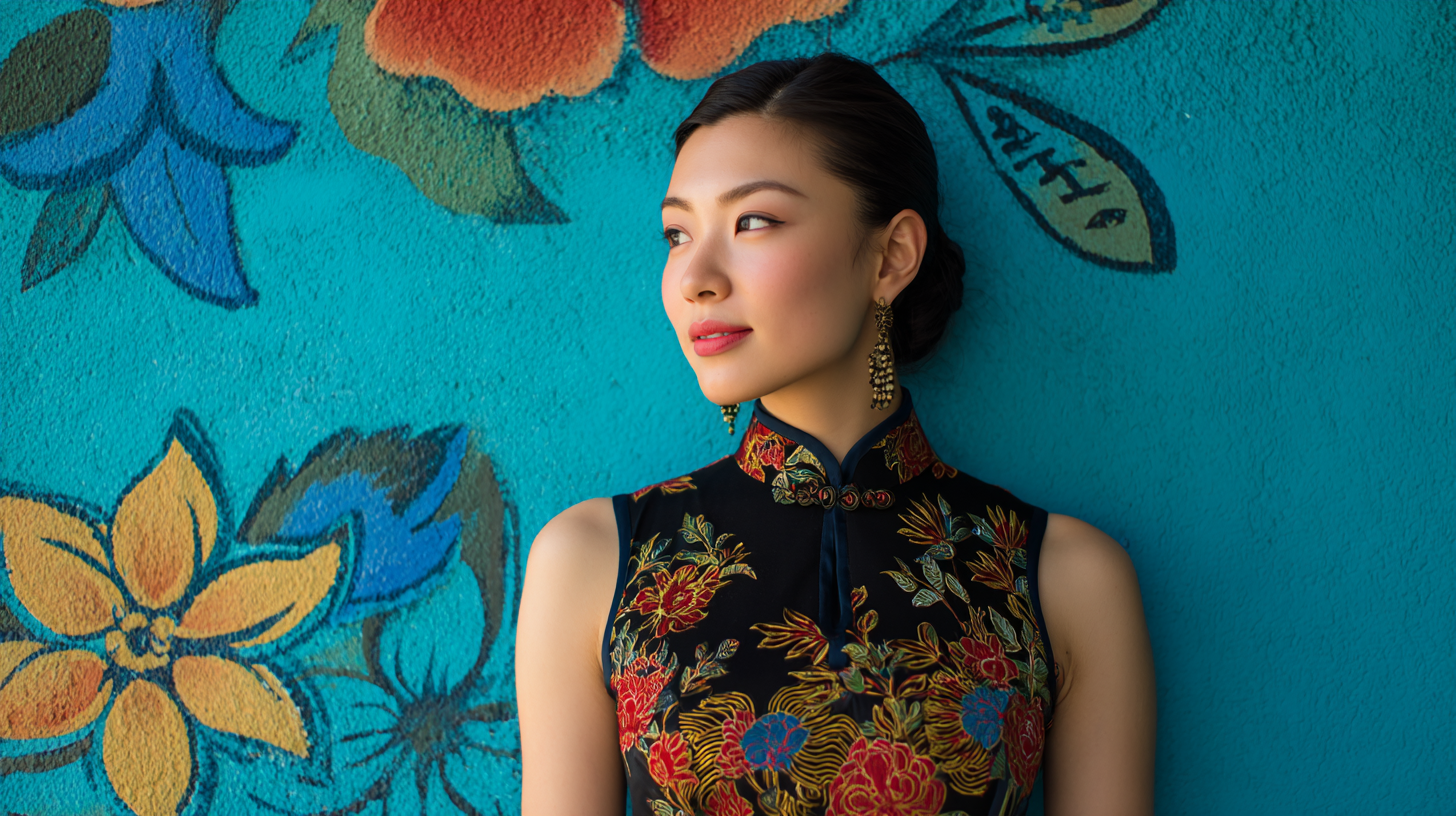
When men talk about beautiful Chinese women, they often start with facial features. That’s normal. Still, the thing that hits you first in China is not always one specific facial structure. It’s the overall presentation. The calmness. The way many women look composed, even when they’re rushing to work or carrying groceries.
Graceful features don’t mean everyone has the same face. Not even close. What I’ve noticed is that many Chinese women lean into balance. They highlight what they already have instead of trying to force a dramatic look. A softer style is common. Clean brows. Natural lip color. Light makeup that doesn’t shout.
Smiles matter too. In the U.S., a smile can be loud, almost performative. In China, it’s often smaller and more controlled. That can come across as shy or reserved. When a woman warms up and smiles freely, it can feel more personal. That shift is part of the captivating charm guys talk about. You’re seeing her guard drop.
Posture plays a bigger role than you’d think. Straight back, relaxed shoulders, steady walking pace. It changes how someone’s body looks. It changes how her clothes sit. It changes how her face looks in motion. I dated a woman in Hangzhou who wasn’t the “Instagram model” type at all, yet she drew attention everywhere because she moved with calm confidence. She didn’t rush. She didn’t fidget. She looked like she belonged in any room. That presence is part of beauty.
Another thing that adds to grace is social awareness. Many women are careful about volume, gestures, and public behavior. That doesn’t mean they’re cold. It means they’re aware. When you put that together with a neat look, the result feels refined without trying too hard.
This is where personality overlaps with appearance. A woman’s energy changes how you see her face. Humor, calmness, warmth, a relaxed vibe—those traits make the same features look more attractive. I’ve seen women with average looks become magnetic once they started joking, teasing, and opening up. That’s real. It’s also why photos don’t tell the full story.
Clear, Radiant Skin
If you want one feature that sits at the top of beauty standards in China, it’s skin. Not in a creepy way. More like this: clear, healthy-looking skin is seen as basic grooming, the same way Americans might see clean teeth or tidy hair.
A lot of Chinese women treat skincare like a daily routine, not a luxury. Cleanser. Moisturizer. Sunscreen. Then maybe a mask at night. It’s common. It’s talked about openly. Friends recommend products like they’re recommending restaurants.
When I first moved to China, I was surprised by how little heavy makeup I saw during the daytime. I expected bold looks. Instead, I saw light makeup, subtle coverage, and a big focus on glowing skin. Many women would rather improve the skin than cover it.
Sun protection is a huge part of this. You’ll see umbrellas in the summer. You’ll see long sleeves on bright days. You’ll see sunscreen used consistently. In the U.S., tanning is often seen as attractive. In China, lighter skin is still tied to older beauty standards and social history. That preference isn’t universal, and you’ll see plenty of women with deeper skin tones, especially in southern regions. Still, the cultural push for skin protection shows up in daily behavior, and it affects how skin ages.
Skincare also connects to lifestyle. Hydration. Sleep. Diet. Stress. Women who manage those areas often look fresher, even without makeup. I remember dating a woman in Shanghai who worked crazy hours. On weeks when she slept poorly, her skin looked tired fast. On weeks when she rested, she looked like a different person. That taught me something obvious, but easy to forget: “radiant skin” is often a reflection of routine, not luck.
There’s also a modern side to this: treatments. Skincare clinics are common in big cities, and many women get non-surgical treatments aimed at texture and clarity. In the U.S., people might hide that. In China, it can be treated like a normal self-care choice. Not everyone does it, but it’s not rare.
One important point for foreigners: don’t turn this into a comparison game. Don’t say things like “Chinese women have better skin than American women.” That’s not helpful. What’s true is that skincare culture in China is strong, and many women put steady effort into it. If you’re dating, notice the effort. Compliment it in a simple way. “Your skin looks great today.” “You always look fresh.” Keep it respectful.
Slim, Petite Bodies
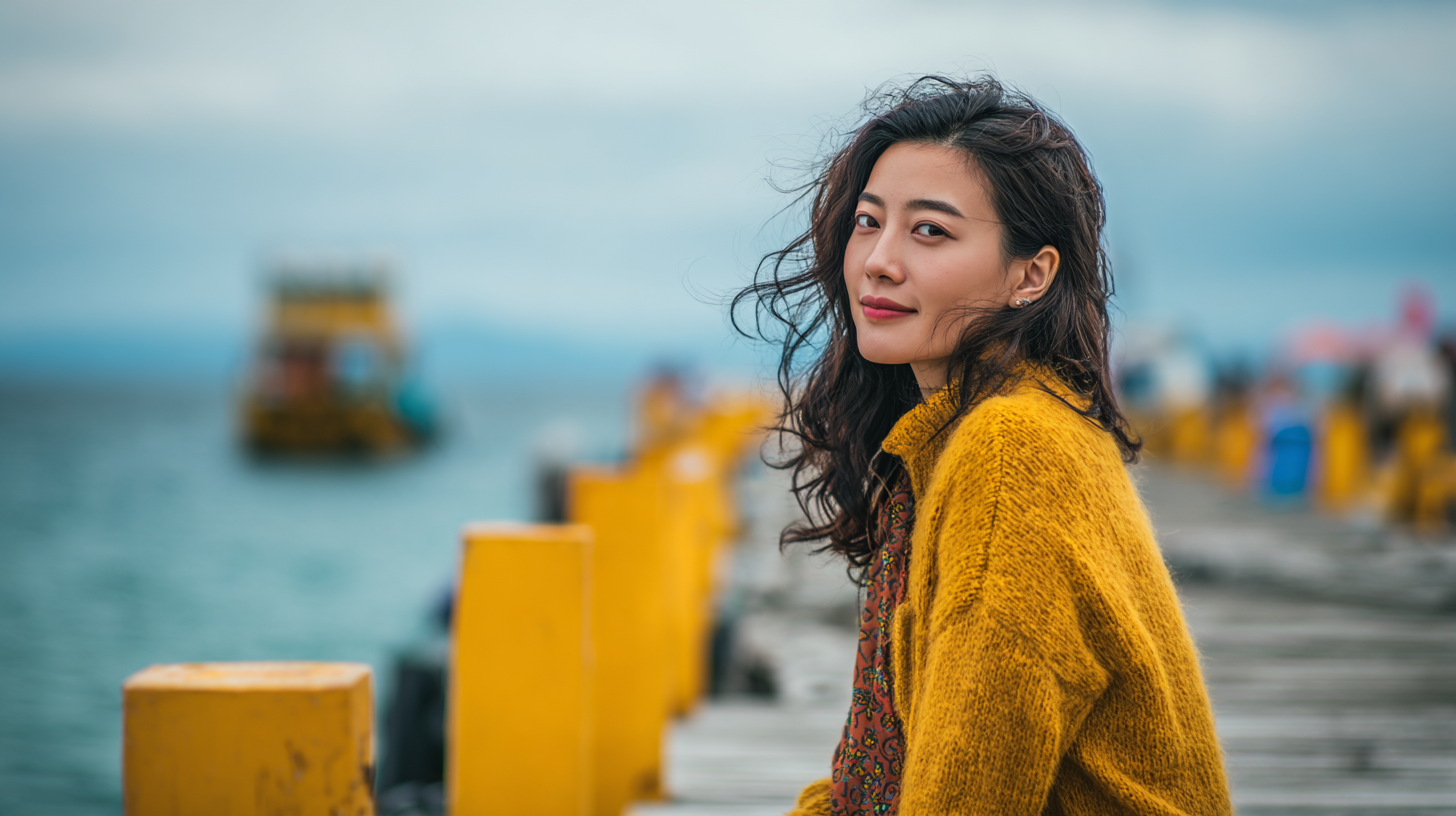
A lot of men bring up body type early when they talk about why Chinese women are beautiful. The stereotype is “everyone is slim and petite.” Reality is more mixed, yet there’s truth behind why the impression exists.
First, beauty standards in China do favor a slim look. You’ll hear women talk about weight casually, even bluntly, and it can shock Americans. In many Chinese friend circles, commenting on body size isn’t automatically considered rude. It’s treated as normal observation, like commenting on hair or clothing. That social norm creates pressure, and it pushes a lot of women to stay lean.
Second, many Chinese women are naturally smaller-framed compared to the average American woman. That’s genetics, diet, lifestyle, and a hundred other factors. Still, there’s plenty of variety. You’ll meet women with natural curves, women with athletic bodies, women who are tall, women who are petite, women who don’t fit the “standard” at all. China is not a single body type.
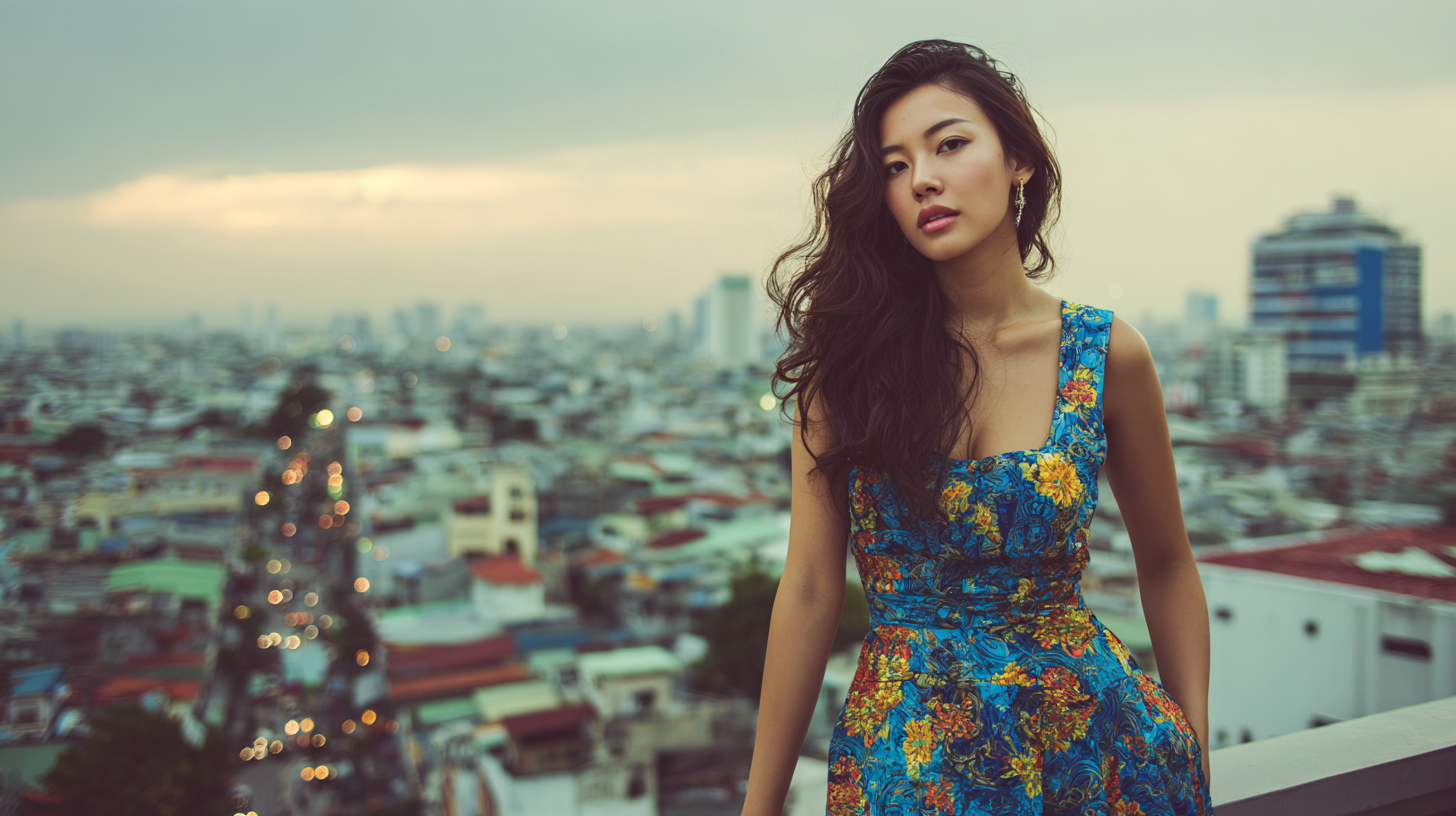
What creates the “slim” impression is also clothing. Chinese fashion often emphasizes clean lines. High-waisted pants, straight-leg cuts, simple dresses, fitted jackets. Even loose outfits are chosen in a way that looks intentional, not sloppy. That kind of styling can make a body look longer and slimmer than it really is.
Daily movement plays a role too. Walking is common. Public transportation often means stairs, long corridors, and standing. In big cities, people move a lot without thinking of it as exercise. In Chengdu, where life feels slower, you still see people walking to eat, walking to meet friends, walking through neighborhoods late at night. That baseline activity adds up over years.
I’ll say one thing clearly, because this is where guys can get weird. If you’re dating, don’t treat “petite” like a trophy or a requirement. Women feel enough pressure already. A smarter approach is to recognize the effort many women put into looking healthy and put-together. If you want to compliment her body, keep it simple and respectful. Don’t make it about “smallness.” Make it about how she looks in general. “You look great today.” “That outfit suits you.” Those compliments land better.
Timeless Elegance
“Timeless elegance” sounds like a magazine phrase, but I know what people mean when they say it about Chinese women. There’s often a clean, polished look that doesn’t rely on loud fashion or heavy makeup. It feels controlled. It feels intentional. That’s what creates the impression.
A big part of it is grooming. Hair is often well cared for. Skin looks fresh. Nails look neat. Clothes look clean and coordinated. None of this has to be expensive. It’s the consistency that makes it noticeable.
Another part is the way many women dress for the setting. Dating in the U.S. can be casual to the point of feeling careless. In China, even casual dates often come with a bit more effort. Not to impress strangers. More like a sign of respect for the person she’s meeting.
I noticed this most in Shanghai. You’ll see women in simple outfits that still look sharp: neutral colors, clean cuts, minimal accessories. The result is a refined style that doesn’t scream for attention. It’s not about trend-chasing. It’s about looking put-together in a way that fits daily life.
Elegance also shows up in behavior. A woman can have the same face and the same body, yet the way she speaks and moves changes how you perceive her. Quiet confidence. Controlled gestures. Calm tone. That combination can add a kind of captivating charm that photos don’t capture.
I once dated a woman who barely wore makeup. On paper, she didn’t match what some guys call “stunning appearance.” Then you met her in person. She had this calm energy. She listened closely. She smiled at the right moments. She never acted rushed or desperate. Every time we walked into a restaurant, staff treated her with extra respect. That’s not magic. That’s presence. That’s elegance.
Natural Beauty
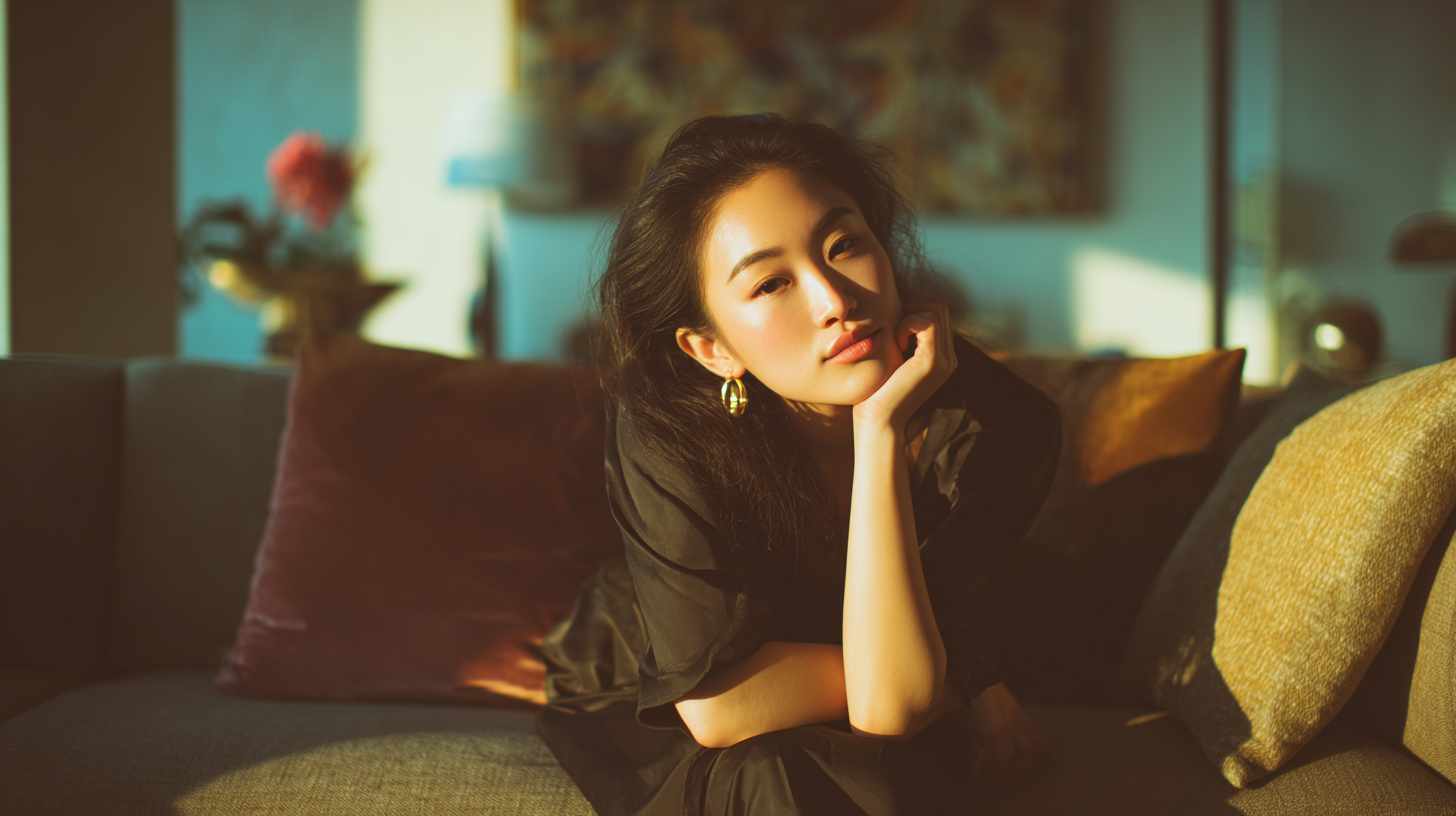
This section needs honesty, because “natural beauty” means different things in different places.
In the U.S., “natural” can mean no makeup, no effort, roll out of bed and still look amazing. In China, “natural” often means a look that appears effortless, even though it’s supported by beauty routines and careful choices. The goal is to look fresh and clean, not painted.
That’s why you’ll see a lot of light makeup styles paired with strong skincare. It’s also why some women use subtle enhancements without advertising it. Natural vs enhanced beauty is not a strict line. It’s more like a spectrum. Many women want the result to look soft and believable.
What I respect is that a lot of Chinese women aim for balance. They’re not always chasing dramatic change. They’re polishing what they already have. Skincare, haircare, neat brows, subtle lip color. Those choices build a look that reads as natural.
Diverse heritage also plays a role here. China has a wide range of ethnic groups and regional genetics. That diversity creates unique looks that foreigners sometimes label “exotic beauty.” I’m careful with that phrase, because it can sound like you’re turning people into a novelty. Still, I understand the point. When you come from one environment and you enter another, the differences stand out. Eye shape variations. Facial structure. Skin tone differences. The mix of features creates appeal because it’s unfamiliar to you.
If you’re dating Chinese women, the best way to talk about beauty is with respect and specificity. Compliment her smile. Compliment her hair. Compliment her energy. Don’t obsess over categories like “natural” or “exotic.” Those words can feel distant. What matters is making her feel seen as a person, not as a collection of traits.
Youthful Appearance
A lot of men look at beautiful Chinese women and assume the youthful look is pure genetics. Some of it is genetics, sure. A bigger slice comes from habits and beauty routines that start early and stay consistent.
Skincare is the obvious one. Many women in China begin taking care of their skin in their late teens or early twenties. Cleansing, moisturizing, sunscreen, and gentle products become normal. That routine isn’t treated like something you do “once you get older.” It’s prevention. When you add years of prevention, the payoff shows up.
Sun avoidance is another piece. In the U.S., tanning is often framed as healthy or attractive. In China, a lot of women protect their skin from sun exposure. Umbrellas on bright days, sleeves in summer, sunscreen used like it’s part of morning hygiene. That’s not everyone, and it’s not a rule, yet it’s common enough that you’ll notice it quickly.
Lifestyle also matters more than guys expect. Sleep, hydration, stress, and food habits affect the face. I dated a woman in Shanghai who worked long hours in a finance job. When she was burned out, her skin looked tired and her mood showed it. On weeks when she slept well, she looked lighter, more relaxed, more “young” in the way people mean it. Same person. Different routine.
There’s also a cultural element. Youth is valued. Looking “fresh” is praised. Women get feedback on their appearance in everyday life, sometimes too much. That pressure can be unhealthy, but it also pushes people toward consistent maintenance. If you’re from the U.S., that constant focus can feel intense.
One more thing: “youthful” in China often means clean presentation. Light makeup, smooth hair, neat clothing, calm energy. Even a woman in her thirties can read as younger than her age if she keeps those basics steady.
If you’re dating, don’t treat youth as the prize. Treat the person in front of you as the point. Compliment her glow, her smile, her vibe. Avoid comments that sound like you’re ranking her age. That kind of talk lands badly fast.
Thick, Healthy Hair
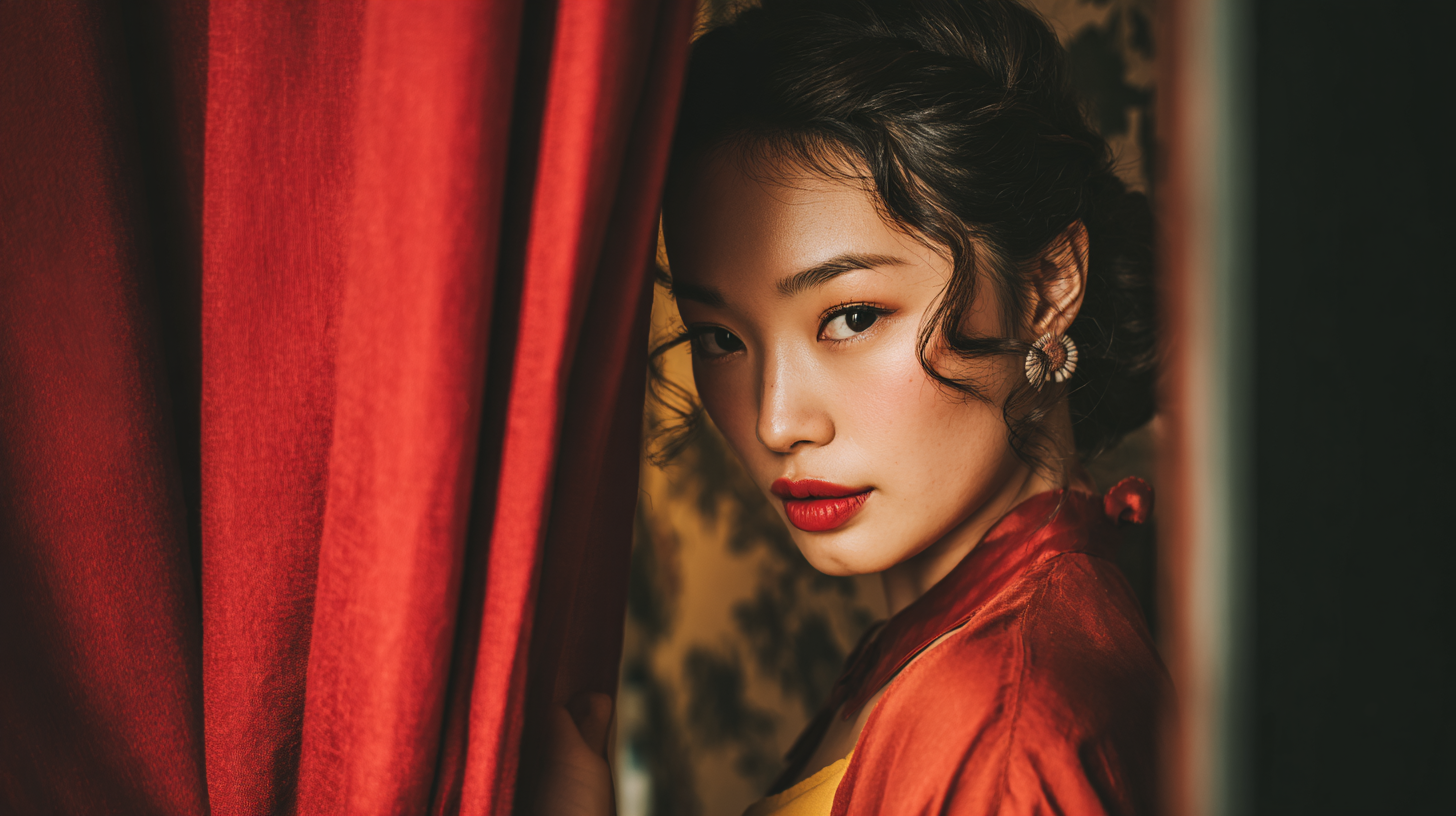
Hair is a huge part of the “stunning appearance” many foreigners notice, and it’s not just because a lot of Chinese women have thick hair. It’s because hair is treated as a main part of grooming, not an afterthought.
Many women keep their hair long, straight, or softly waved. Long hair frames the face and fits the clean, polished look that lines up with local beauty standards. Short styles are common too, mostly in cities, often paired with sharper fashion and a more modern vibe. Either way, the hair usually looks maintained.
Hair types vary. You’ll see naturally straight hair, wavy textures, thicker strands, finer strands. Still, the overall impression is often “healthy” because women put effort into it. Regular trims. Conditioning. Heat protection. Salon care. Even simple routines help when they’re done consistently.
Color trends are interesting. Natural black or dark brown dominates, but subtle dye is common among younger women. Soft brown shades, gentle highlights, low-key color changes that don’t look loud. It’s controlled and intentional, the same pattern you see in makeup and clothing.
A lot of women also use hairstyles to shape how their face looks. Bangs are popular for that reason. So are side parts, light layers, and styles that soften angles. It’s not about hiding. It’s about creating a look that feels balanced.
Here’s what I learned after dating a few women who took haircare seriously: hair is often tied to self-respect. When her hair looks good, she feels ready. When it’s messy, she can feel off. That’s not a “Chinese-only” thing, but it’s strong in many social circles there.
If you want to compliment hair, do it in a simple way. “Your hair looks great today.” “I like that style of you.” Avoid getting too detailed or comparing her to other women. Keep it clean. Keep it personal.
Emphasis on Health and Wellness
Health and wellness show up in a lot of small daily habits in China, and those habits shape appearance over time. This is one reason people ask, “why Chinese women are beautiful,” because the external look often reflects internal routines.
Walking is a big one. In many cities, people walk more than Americans do. Public transport often means stairs, corridors, and standing. Even when someone doesn’t “work out,” they still move. Over years, that baseline activity affects posture, weight, and energy.
Food culture can help too. Portions can be smaller. Meals often include vegetables, soups, and lighter dishes, though this varies by region. Chengdu, for example, is famous for spicy food and rich flavors, so it’s not some strict diet paradise. Still, many people balance rich meals with lighter ones without making a big deal out of it.
Tea culture also plays a role. Many women drink tea regularly, not as a miracle health trick, just as a normal habit. Hydration matters. When hydration is steady, skin and energy often look better. Simple stuff, repeated daily.
Wellness trends are growing in big cities. Gyms, pilates studios, dance classes, hiking groups. Younger women in Shanghai and Shenzhen talk about fitness more than older generations did. You’ll also see women focusing on steps, stretching, posture, and sleep. It’s less about extreme workouts and more about steady maintenance.
There’s a flip side, and I won’t dodge it. Some beauty standards push women too hard. Diet pressure can be intense. Social comments about weight can be blunt. The healthiest women I met were the ones who focused on feeling good rather than chasing perfection.
From a dating standpoint, here’s the practical takeaway: many women value a partner who respects health habits. Not in a controlling way. In a normal way. If she wants to walk after dinner, join her. If she prefers lighter meals most days, don’t mock it. If she cares about sleep and routine, take that seriously. Those habits are part of how she takes care of herself.
Elegant Fashion Sense
Fashion and style is one of the fastest ways people form an opinion about beauty in China. It’s not only about what someone wears. It’s about how well it fits the setting, how clean it looks, and whether the whole look feels intentional.
In big cities, a lot of women treat everyday outfits like a small project. Not in a stressful way. More like, “I’m leaving the house, I want to look put-together.” That mindset shows up even on regular days. You’ll see neat hair, simple makeup, coordinated colors, and clothes that look pressed or at least cared for.
Shanghai is the best example. The street style there can be sharp and modern, but it’s rarely loud. Neutral tones, clean silhouettes, a good coat in winter, simple accessories. The outfit doesn’t scream for attention, yet it still reads as polished. That kind of presentation adds to why foreigners describe women as having a “stunning appearance,” even when the actual outfit is basic.
Chengdu feels different. The vibe is softer, more relaxed, sometimes cute in a playful way. You’ll see oversized sweaters, casual dresses, sneakers. It still looks coordinated. It still looks chosen. Guangzhou and Shenzhen lean practical because of weather and pace, yet you still see that same focus on looking neat.
Another reason fashion hits hard in China is the detail work. Bags are clean. Shoes are often spotless. Jewelry is usually minimal. When a woman picks an outfit that fits her body type and matches her mood, the overall effect is strong. It’s not about being “perfect.” It’s about being consistent.
If you’re dating, fashion is also a clue about personality. Some women love trends. Others stick to timeless basics. Some dress for comfort first. Others like a refined look even on casual dates. Treat it as information, not a judgment. Compliments are easy here too. “You look great in that color.” “That style suits you.” It’s respectful, and it doesn’t turn her into a body critique.
One caution, because I’ve seen guys do this wrong: don’t treat Chinese beauty standards like a rulebook you want her to follow. Women already get enough pressure. The best move is appreciation, not instruction.
Soft, Feminine Energy
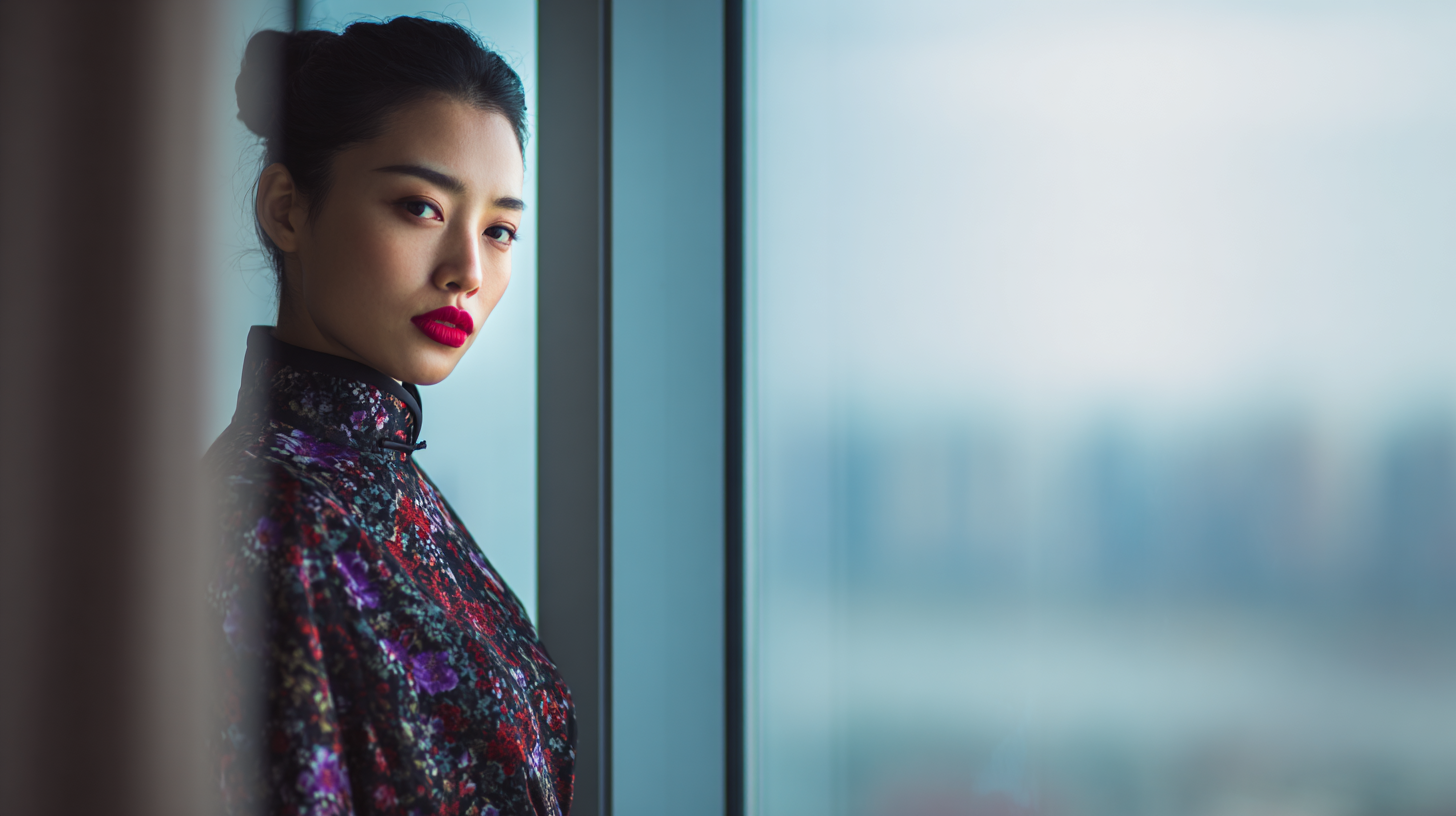
This section can get weird fast online, so I’ll keep it grounded.
When men say “soft, feminine energy” about Chinese women, they often mean a few specific behaviors: calm communication, polite manners, and a warm way of showing care that isn’t loud. It’s not universal. It’s not guaranteed. It’s also not exclusive to China. Still, it’s common enough that many foreigners notice it early.
A lot of women show interest through practical care. Asking if you ate. Checking if you got home safe. Remembering a small detail you mentioned once. That kind of attention can feel different from U.S. dating, where flirting can be more direct and physical. In China, affection often shows up as steady consideration before it shows up as big romance.
Personality plays a major role. Some women are quiet and reserved. Others are bold and playful. Some tease a lot. Some don’t tease at all. The “soft” vibe tends to show up more in public settings, where many people prefer to look composed. Private conversations can feel warmer and more emotionally open once trust forms.
There’s also a cultural piece around politeness. Many women are taught to avoid being too forward at first. They don’t want to appear careless. They don’t want to invite the wrong kind of attention. That doesn’t mean they lack passion and warmth. It means they often want safety and respect before they relax.
If you’re dating a Chinese woman, the best way to respond to this energy is not to push against it. Don’t try to force a faster pace. Don’t treat calmness like boredom. Match her rhythm. Be clear. Be kind. Keep your behavior stable. When a woman feels safe, her real personality shows up more. That’s when the “captivating charm” people talk about becomes obvious, and it’s less about looks and more about connection.
Also, keep your language respectful. Admiring someone’s energy is fine. Turning it into a stereotype is not. Every woman is still her own person.
Conclusion
The question “why are Chinese women so beautiful” sounds simple, yet it’s really a mix of things. Features matter, sure. Skin, hair, style, smile. Still, a lot of the appeal foreigners notice comes from habits: skincare, grooming, fashion choices, and the way many women present themselves with calm confidence.
I also think the best way to talk about beautiful Chinese women is to keep it human. Admiration is fine. Objectifying people is not. The more you date in China, the more you realize beauty isn’t only what you see at first glance. It’s also how someone treats you, how she carries herself, how she shows care, how she moves through daily life.
 Find the best bride now...