


Introduction
When I first started dating in China, I thought I had a decent handle on relationships. I was in my early thirties, had dated plenty back home in California, and figured people are people everywhere. That idea didn’t last long. Chinese dating culture plays by a different set of rules, and nobody hands you the manual when you land.
Dating in China isn’t built around casual trial and error. It’s shaped by family expectations, long-term thinking, and a strong sense of responsibility toward the future. Even modern Chinese dating carries echoes of older customs, and if you ignore those, things get awkward fast. I learned that the hard way in Chengdu, sitting across from a woman who asked me—on our second date—what my plan was for housing, savings, and marriage. She wasn’t being cold. She was being honest.
If you’re dating in China as a foreigner, or talking to Chinese women online, understanding this mindset matters more than your looks, your income, or your clever messages. This article is about how Chinese dating culture actually works, not how movies or dating apps make it look. I’ll walk you through the traditional side, the modern shifts, and the gray areas in between, based on what I lived through over nearly seven years on the ground.
Traditional Aspects of Chinese Dating
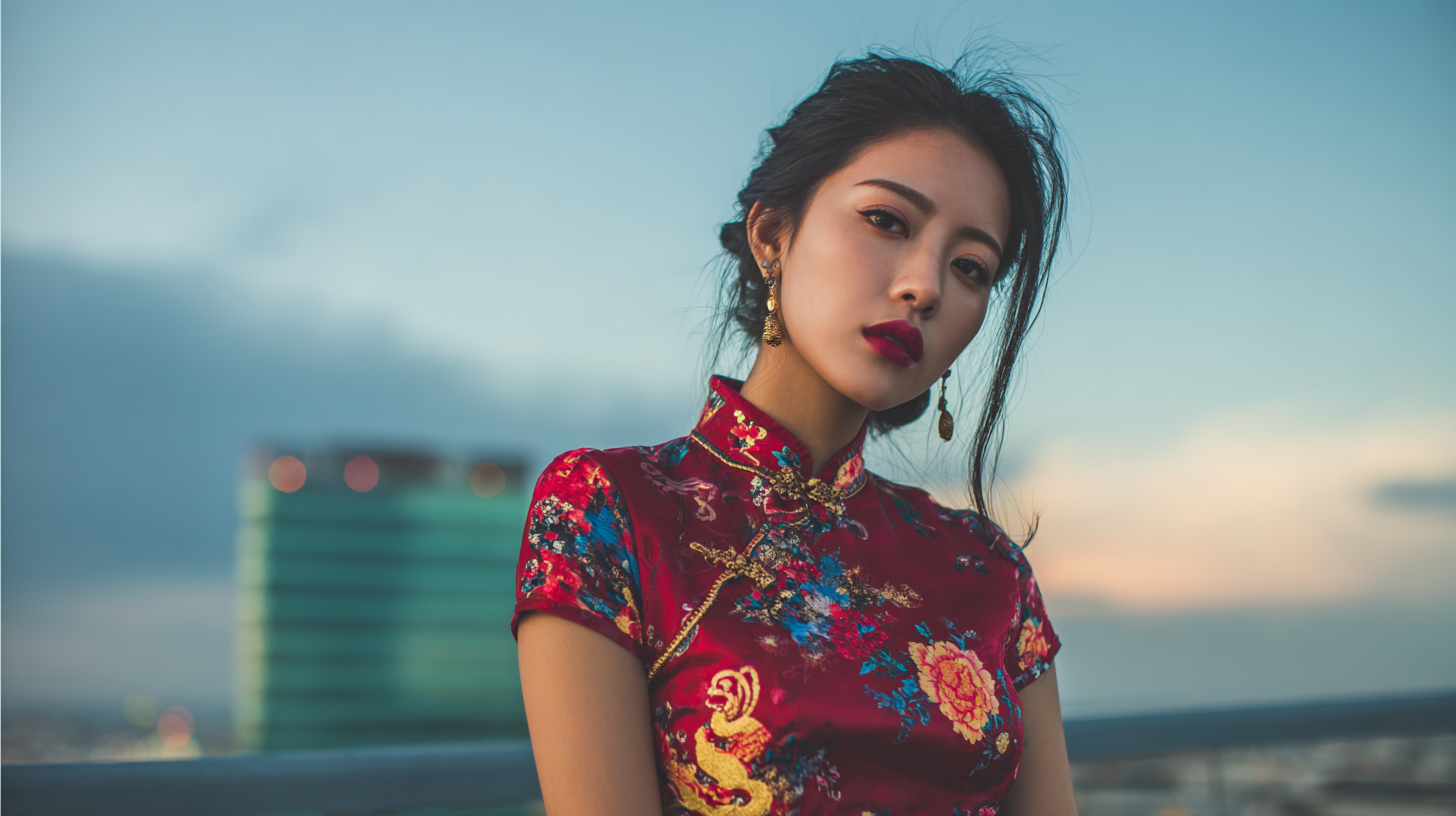
Traditional Chinese dating customs still shape how relationships form today, even in big cities. You may not see them on the surface, but they guide decisions quietly. Ignore them, and confusion follows.
Parental Involvement
Parental involvement in Chinese dating isn’t a stereotype. It’s real, and it shows up earlier than most American guys expect.
I remember dating a woman in Hangzhou who seemed relaxed and independent. She had her own apartment, a solid teaching job, and a sharp sense of humor. On our fourth date, she casually mentioned that her parents wanted to know what I did for work and whether I planned to stay in China. That wasn’t small talk. That was a checkpoint.
In Chinese culture dating, parents aren’t background characters. They’re part of the decision-making process. Many women feel a strong responsibility to choose someone their family can accept. That doesn’t mean parents control everything, but their opinion carries weight.
Some families still arrange introductions. Others quietly push through questions and suggestions. I’ve had women show my photos to their parents before I even knew things were serious. For foreigners, this can feel intense. For them, it’s normal.
Focus on Family and Marriage
Chinese dating traditions are tightly connected to marriage and family planning. Dating in China usually points somewhere. Casual, open-ended dating exists, but it’s less common than in the U.S.
I once made the mistake of saying, “Let’s just see where things go,” on a first date in Shanghai. Her smile faded. She didn’t argue, but the message landed wrong. To her, dating without direction felt unstable.
Many Chinese relationships start with a future frame in mind. That includes housing, financial security, and family compatibility. Romance matters, but stability matters more. Love is expected to grow through commitment, not replace it.
This doesn’t mean relationships are cold or transactional. Some of the most emotional, caring partners I’ve met were Chinese women. The difference is that feelings and future planning move together.
Gender Roles
Gender roles in Chinese dating culture are shifting, but traditional expectations still show up, especially early on.
Men are often expected to initiate dates, pay for meals, and show reliability. That doesn’t mean flashy spending. It means consistency. Showing up on time. Following through. Not disappearing for days.
I learned quickly that being “low effort” doesn’t read as relaxed here. It reads as uninterested. At the same time, many Chinese women don’t expect over-the-top romantic gestures. They watch behavior more than words.
Women may appear reserved at first. That doesn’t mean lack of interest. Public flirting is limited. Physical closeness takes time. Emotional warmth comes later, once trust builds.
Long-Term Intentions
Long-term intentions sit at the center of dating in Chinese culture. They’re rarely announced loudly, but they guide choices quietly.
I’ve had women ask about my visa status before asking about my hobbies. That wasn’t romance-killing. It was practical. Dating a foreigner who might leave in six months carries risk.
Many Chinese women want clarity early. Not pressure. Clarity. Where do you live? How long will you stay? What are you looking for? Avoiding these questions doesn’t make you mysterious. It makes you unreliable.
When intentions align, relationships move smoothly. When they don’t, things stall fast.
Modern Dating Trends in China

China’s dating scene has changed fast. Apps, urban life, and shifting values have opened new doors. Traditional thinking didn’t vanish. It adapted.
Online Dating Apps
Online dating apps reshaped Chinese dating more than anything else in the past decade. Apps like TanTan, Momo, and international platforms made meeting easier, faster, and more confusing.
I met people through apps who never would’ve crossed my path otherwise. Office workers. Teachers. Designers. At the same time, apps amplified misunderstandings.
Profiles tend to be more reserved. Less flirting. Fewer jokes. Many women expect meaningful conversation early, not playful banter. Language barriers add friction, even with translation tools.
International dating sites attract women interested in foreigners, but motives vary. Some want serious relationships. Some want practice with English. Some chase the idea of leaving China. Sorting that out takes patience.
Speed Dating Events
Speed dating exists in China, especially in major cities. These events often target professionals with limited free time.
I attended one out of curiosity in Shanghai. The structure was formal. Short conversations. Direct questions. Age, job, goals. No small talk fluff.
It felt more like interviews than dates. Still, for people serious about marriage, it worked. Chemistry mattered, but alignment mattered more.
Foreigners stand out at these events. Sometimes that helps. Sometimes it adds pressure. Expectations rise fast.
Cohabitation Before Marriage
Cohabitation before marriage is becoming more common among younger couples, especially in large cities. That said, many families still prefer discretion.
I dated a woman who lived with her boyfriend before me. Her parents never knew. Public image and private life don’t always match.
Living together often signals seriousness. It’s not casual in the way it might be in the U.S. It’s closer to a trial stage for marriage, even if nobody says it out loud.
Non-Traditional Gender Roles
Modern Chinese dating includes women who are career-driven, independent, and clear about what they want. I met women earning more than me, managing teams, running businesses.
These women don’t reject relationships. They reject uncertainty. They expect respect, not dominance.
At the same time, they may still value traditional stability. Independence and tradition coexist in strange ways here. Accepting that contradiction makes dating smoother.
Online Dating with Chinese Women
Online dating changed everything for me in China. Not overnight, not smoothly, but completely. It opened doors that everyday life didn’t always allow, especially as a foreigner who didn’t grow up inside the culture. At the same time, it introduced a whole new set of problems I had to learn to recognize fast.
Chinese dating online doesn’t follow Western rhythms. The pacing, the expectations, even the silence between messages mean different things. If you treat it like U.S. dating, you’ll misread signals and waste time.
Why Chinese Women Are Popular on International Dating Sites
There’s a reason Chinese women show up so often on international dating platforms. Several reasons, actually, and they don’t all come from fantasy or stereotypes.
First, many Chinese women are serious about relationships. I don’t mean desperate. I mean focused. When they join international sites, they often know what they want—stability, commitment, and a partner who respects family values. That mindset alone attracts a lot of Western men who are burned out on casual dating.
Second, curiosity plays a role. Foreigners still carry novelty in China, especially outside the biggest cities. Dating someone from another culture feels like stepping into a different life path. I’ve had women tell me straight up they wanted to understand how Western relationships work, not because they wanted to leave China, but because they were tired of rigid expectations at home.
Third, many Chinese women feel boxed in by local dating pressure. Parents, age timelines, housing expectations—it piles up fast. International dating feels like a release valve. Fewer rules. Fewer relatives watching. More space to choose.
That said, attraction goes both ways. Some women expect foreigners to be more emotionally open, more affectionate, more direct. Sometimes that’s fair. Sometimes it’s a pure assumption. Sorting that out takes time.
Challenges and Misconceptions in Online Dating
Online dating with Chinese women comes with misunderstandings that trip up a lot of guys early.
One big issue is communication style. Messages tend to be polite, measured, sometimes short. Silence doesn’t always mean disinterest. It can mean work stress, family duties, or uncertainty about language. I’ve seen guys quit conversations too early because they expected constant engagement.
Then there’s the language barrier. Even with translation tools, tone gets lost. Jokes fall flat. Emotional nuance disappears. I once thought a woman was upset with me because her replies got formal. Turns out she was nervous about her English and switched to safer wording.
Another misconception is emotional speed. Some men think Chinese women move too fast emotionally. Others think they’re distant. Both can be true depending on context. Emotional expression often comes after trust, not before. When it arrives, it’s intense.
And yes, scams exist. Anyone telling you otherwise hasn’t been paying attention. But most problems aren’t scams. They’re mismatched expectations. One side thinking casually. The other is thinking about the future.
Tips for Modern Dating in China

Dating in China works better when you stop trying to “win” and start trying to understand. These aren’t rules carved in stone, just lessons learned the hard way.
Do’s
Be clear about your intentions. You don’t need to promise marriage. Just don’t act vague. Saying what you want saves time for both sides.
Show consistency. Regular communication matters more than big gestures. A steady presence builds trust faster than charm.
Respect family influence. Even if you don’t meet parents right away, acknowledge their role. Dismissing family concerns shuts doors quietly.
Learn basic cultural cues. Knowing when to push and when to pause makes a difference. So does learning a few words of Mandarin. Effort counts.
Pay attention to actions. What someone does tells you more than what they say. That goes both ways.
Don’ts
Don’t rush physical intimacy. Public displays of affection can make things uncomfortable early on. Slow pacing doesn’t mean low interest.
Don’t joke about commitment too early. Sarcasm around marriage or long-term plans lands poorly.
Don’t disappear without explanation. Ghosting damages trust fast, and reputations travel quicker than you think.
Don’t compare China to the U.S. constantly. “Back home we do it this way” creates distance, not connection.
Don’t assume silence equals rejection. Ask instead of guessing.
Navigating Long-Distance Relationships
Long-distance relationships are common in Chinese dating, especially when one partner is a foreigner. They’re also fragile if handled poorly.
Time zones matter. So does routine. Random messages feel nice, but planned calls build connections. Video matters more than text. Seeing expressions bridges gaps words can’t.
Trust builds through transparency. Share daily life, not just highlights. Ordinary moments matter.
Visits change everything. Planning trips gives relationships direction. Without that, things drift.
Long-distance dating tests patience. Some relationships survive it. Some don’t. Neither outcome is failure. Knowing when to adjust, and when to let go, is part of dating in China as a foreigner.
Common Challenges in Chinese Dating
Even when you understand Chinese dating culture, challenges still show up. Some come from culture gaps. Others come from expectations nobody says out loud. Most problems aren’t dramatic blowups. They’re quiet misunderstandings that slowly drain momentum.
One common issue is reading emotional signals. Chinese dating doesn’t reward loud expression early on. Interest is shown through consistency, not excitement. I’ve had women message me every morning without ever flirting. That wasn’t boredom. That was care. At the same time, when interest fades, it often fades silently. No argument. No explanation. Just less effort. If you’re used to direct feedback, this can feel confusing.
Another challenge is emotional restraint. Many Chinese women are deeply emotional, but they don’t always show it openly at first. Vulnerability comes later. I’ve seen relationships flip almost overnight once trust settles in. Before that, things can feel slow, even distant. Pushing too hard for emotional openness early tends to backfire.
Family pressure creates stress even when you’re not directly involved. I’ve dated women who liked me but felt stuck between personal feelings and parental expectations. Age matters. Career timing matters. Location matters. These pressures sit in the background of many Chinese relationships, shaping decisions quietly.
Then there’s cultural fatigue. For foreigners, constant adjustment takes energy. Explaining your habits. Watching your words. Navigating language gaps. Over time, that effort adds up. Some relationships end not because of lack of feeling, but because daily friction wears things down.
Chinese dating isn’t hard because people are cold or distant. It’s hard because assumptions don’t match reality. Once you accept that, things get easier.
Conclusion
I don’t think Chinese dating fits neatly into one category. It isn’t traditional in the old sense. It isn’t modern in the Western sense either. It lives somewhere in between, shaped by family, history, pressure, and change happening fast.
Dating Chinese women taught me patience. It taught me to listen more than talk. It also forced me to get honest about what I wanted, because ambiguity doesn’t survive long here.
Some relationships worked. Others didn’t. Each one left something behind—lessons, perspective, a better sense of timing. If you’re willing to adjust without losing yourself, Chinese dating can be deeply rewarding. If not, it can feel exhausting.
That tension never really goes away. And maybe that’s the point.
 Find the best bride now...